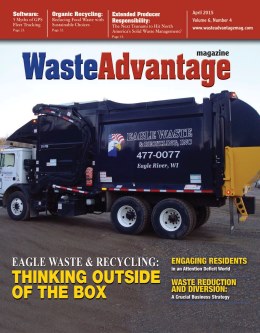
Waste Reduction and Diversion:
|
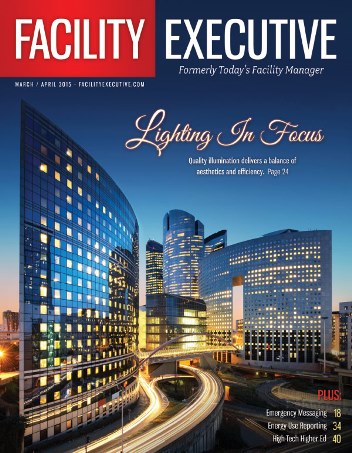
Energy Disclosure May be on the WayIn 2013, commercial and residential buildings accounted for 40% of the total energy consumption in the United States, costing over $200 billion and generating 45% of national greenhouse gas emissions. In New York City alone, 80% of its carbon footprint comes from building operations. With energy costs continuing to rise and environmental considerations becoming a common focus, existing buildings are increasingly recognized as a significant opportunity to reduce impacts. In an effort to address one of the leading sources of impact, multiple states and some of the country’s largest cities have enacted energy disclosure legislation. What is energy disclosure, and how does it affect facility executives? Read more here. |
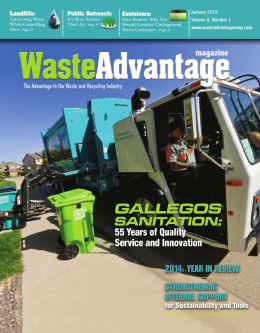
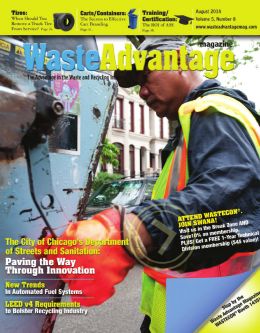
Strengthening Internal Support for Sustainability InitiativesAs the global economy continues to evolve and competitive pressure grows, traditional business models are becoming increasingly obsolete. Organizations across industries are being challenged to transform their long-term corporate strategies to succeed in the changing business landscape. Leveraging sustainability to support key corporate objectives delivers widespread organizational and financial benefits. This is especially true in the waste and recycling industry, which plays a unique role in sustainability, both at a core business level and as vital service providers within broader supply chains. Sustainability will enable waste handlers and recyclers to effectively prepare for the future, but even a well-designed Corporate Responsibility program can fail without effective implementation. Read more here. |
|
|
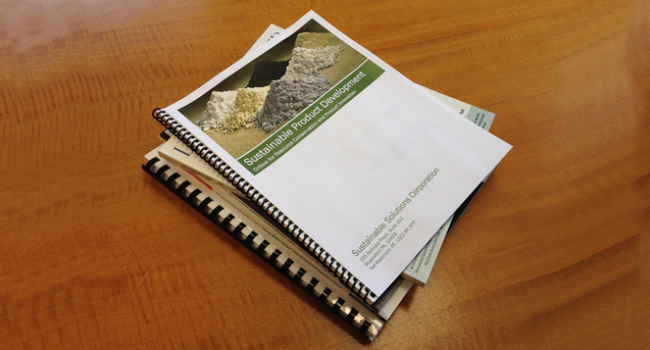
Sustainable Product Development: |
Other White Papers |
Fill in the form below to join our mailing list and be the first to receive updates, videos, and white papers!
Your contact information is secure and will never be shared, rented or sold. We do not spam and just want you to see our white papers and videos, which you'll receive when you opt in.